
Below-ground moisture
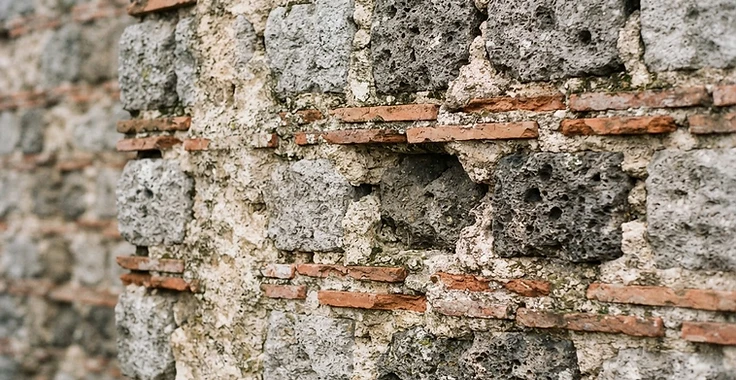
Many older Colchester cellars were never intended to be dry, habitable rooms. They were built for storage, with solid masonry walls in contact with the soil. Damp walls, salting and a cool, humid atmosphere are common and are not always a defect in themselves.
How you want to use the space
The right approach depends heavily on intended use. A cellar kept for storage may only need improved ventilation and drainage management, while a room intended for habitable use requires a properly considered waterproofing strategy.
Water ingress and its sources
- Groundwater and seasonal water table changes
- Surface water from paths, drives and poor external drainage
- Leaking or blocked drains and rainwater goods discharging near the wall
- Defective external tanking or earlier repairs that have failed
- Condensation forming on cold below-ground surfaces
Tanking and cavity drainage in general terms
Broadly, waterproofing either aims to hold water back at the wall surface (a tanking approach) or to accept water and manage it away (a cavity drainage approach). Each has implications for the structure, for maintenance and for how the room can be used. Neither should be specified without seeing the property.
Why site-specific assessment matters
Below-ground work is one area where a general recommendation can be actively unhelpful. We will not specify a system for a basement we have not inspected, and we will be straightforward about what a given approach can and cannot achieve.